
 Daniel Wolfram

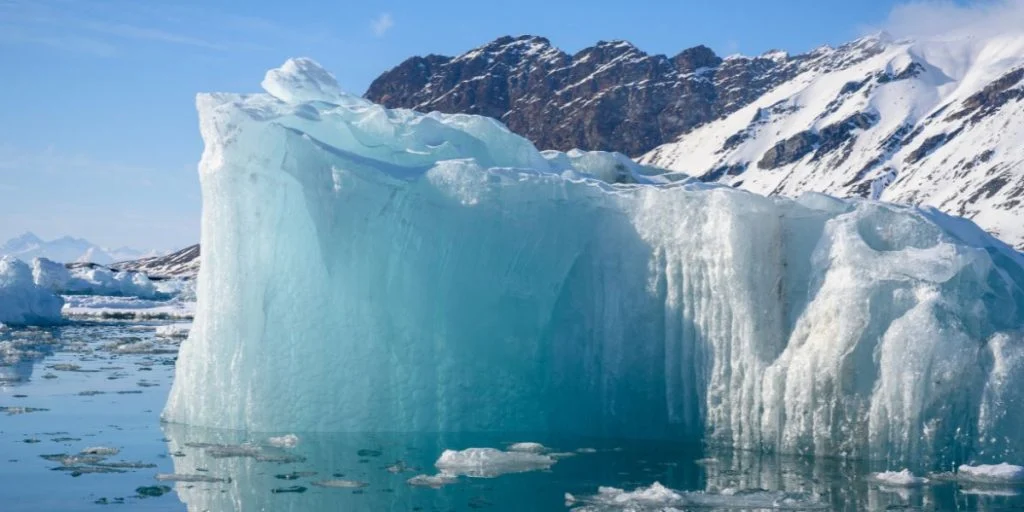
Researchers warn the giant-sized ice block is detaching from its anchor, threatening catastrophic flooding.

CNN and AccuWeather reports that the Thwaites Glacier in Antarctica is melting faster than expected. The glacier is also known as the Doomsday Glacier.
Water from Thwaites already accounts for about 4% of global sea level rise.
It is impossible to move it as it will cause a catastrophe. Removing it could eventually add 10 feet to sea levels.
How the melting works
Glaciologists from the University of California, Irvine, and NASA’s Jet Propulsion Laboratory published new research in which they built a model to show what happens deep underwater.


For decades, scientists thought the spot where ice meets the ocean floor was a fixed line. But satellite data shows something different. A wide zone exists where tides pump warm seawater underneath the ice.
Mattia Poinelli, the lead author, noted how this process is forcing warm water “deep underneath the ice sheets and causing vigorous melting.”
A faster timeline
By 2100, the melting could add up to 1.2 inches to global sea levels. That figure doubles previous estimates even if global temperatures stop rising today.
The ice is slowly detaching from an underwater mountain called the Mouginot Ridge. This is a dangerous development. Researchers predicts that there is a 60% chance that the glacier will melt and loosen in the next 75 years.
Professor Eric Rignot said the findings “predict greater risk of and exposure to coastal flooding than anticipated in the coming decades.”



